Shopping cart
Your cart empty!

Your cart empty!
Terms of use dolor sit amet consectetur, adipisicing elit. Recusandae provident ullam aperiam quo ad non corrupti sit vel quam repellat ipsa quod sed, repellendus adipisci, ducimus ea modi odio assumenda.
Lorem ipsum dolor sit amet consectetur adipisicing elit. Sequi, cum esse possimus officiis amet ea voluptatibus libero! Dolorum assumenda esse, deserunt ipsum ad iusto! Praesentium error nobis tenetur at, quis nostrum facere excepturi architecto totam.
Lorem ipsum dolor sit amet consectetur adipisicing elit. Inventore, soluta alias eaque modi ipsum sint iusto fugiat vero velit rerum.
Sequi, cum esse possimus officiis amet ea voluptatibus libero! Dolorum assumenda esse, deserunt ipsum ad iusto! Praesentium error nobis tenetur at, quis nostrum facere excepturi architecto totam.
Lorem ipsum dolor sit amet consectetur adipisicing elit. Inventore, soluta alias eaque modi ipsum sint iusto fugiat vero velit rerum.
Dolor sit amet consectetur adipisicing elit. Sequi, cum esse possimus officiis amet ea voluptatibus libero! Dolorum assumenda esse, deserunt ipsum ad iusto! Praesentium error nobis tenetur at, quis nostrum facere excepturi architecto totam.
Lorem ipsum dolor sit amet consectetur adipisicing elit. Inventore, soluta alias eaque modi ipsum sint iusto fugiat vero velit rerum.
Sit amet consectetur adipisicing elit. Sequi, cum esse possimus officiis amet ea voluptatibus libero! Dolorum assumenda esse, deserunt ipsum ad iusto! Praesentium error nobis tenetur at, quis nostrum facere excepturi architecto totam.
Lorem ipsum dolor sit amet consectetur adipisicing elit. Inventore, soluta alias eaque modi ipsum sint iusto fugiat vero velit rerum.
Do you agree to our terms? Sign up
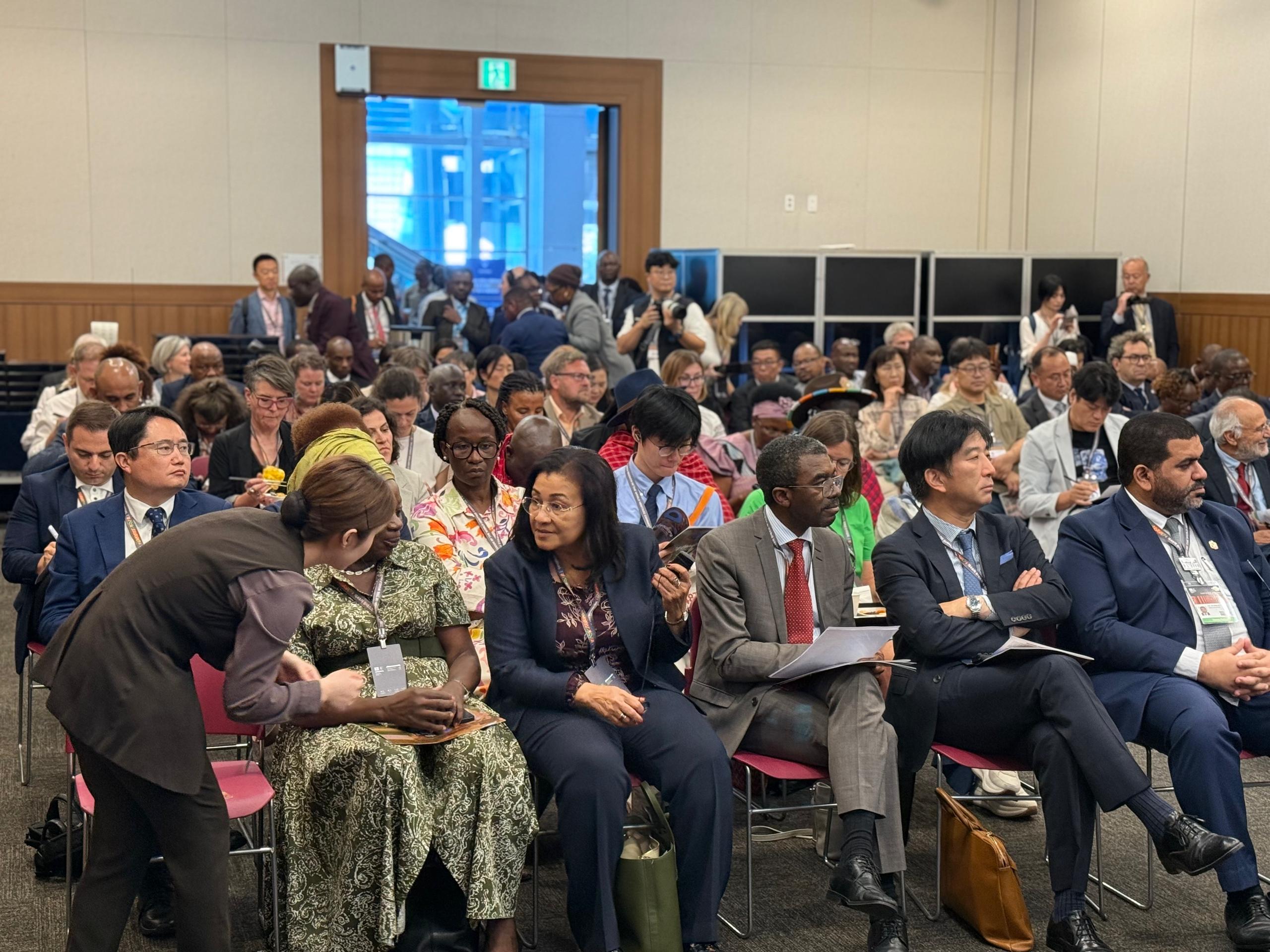
The 48th Session of the UNESCO World Heritage Committee (WHC), which began on 19 July 2026, is continuing in Busan, Republic of Korea.
The meeting has brought together approximately 3,000 participants, including the Director-General of UNESCO, representatives from Member States, ministers and deputy ministers from the 21 countries serving on the World Heritage Committee, delegates from the 196 States Parties to the World Heritage Convention, as well as UNESCO’s advisory bodies, ICOMOS and IUCN.
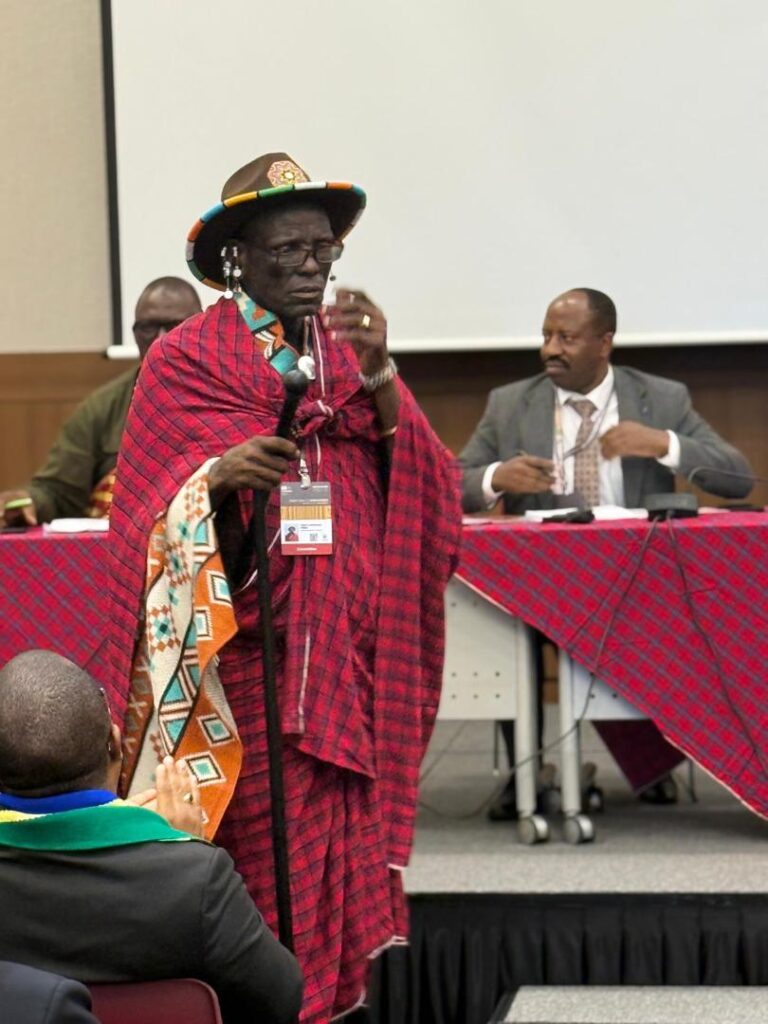
On the sidelines of the session, the Permanent Delegation of Tanzania to UNESCO, in collaboration with the Tanzania National Commission for UNESCO and the Ngorongoro Conservation Area Authority (NCAA), organized a side event. During the event, Tanzania presented and led discussions on the ongoing voluntary relocation programme for residents of the Ngorongoro Conservation Area.
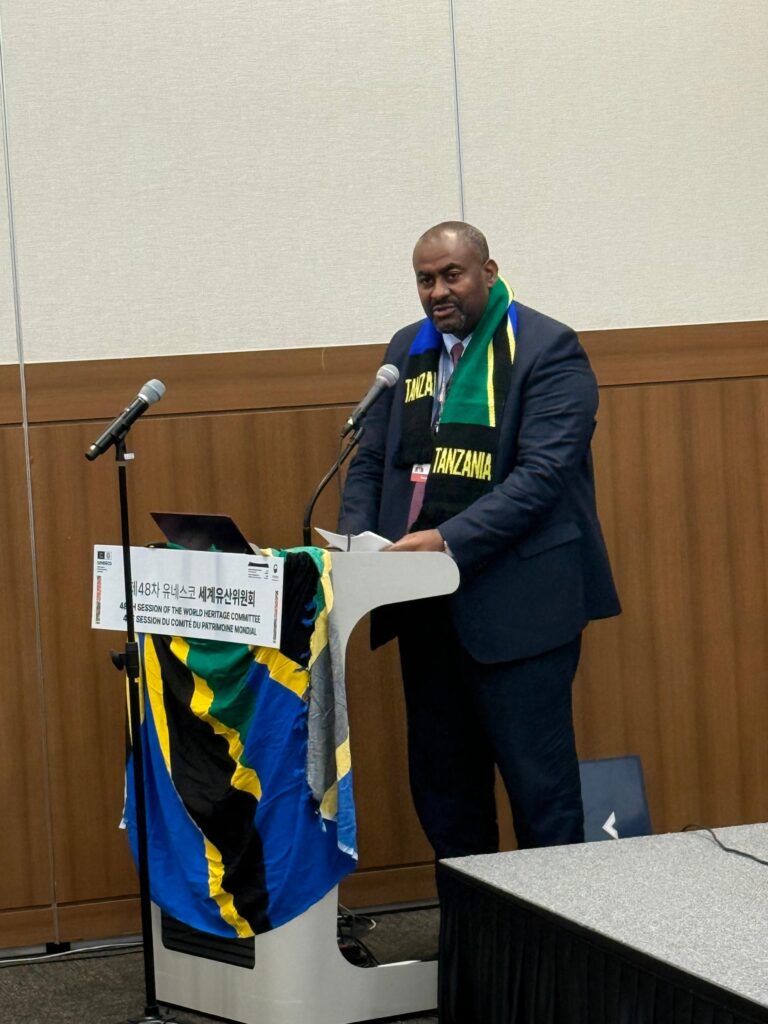
Mr. Thadei Aldo Kabonge, Secretary to the Presidential Commission that assessed land-related issues in Ngorongoro District, told the meeting that the President of the United Republic of Tanzania, Dr. Samia Suluhu Hassan, appointed two commissions following complaints submitted by representatives of the Maasai community from Ngorongoro District during their meeting with the President in Arusha in December 2024.
He explained that the first commission was tasked with conducting a comprehensive assessment and analysis of the complaints, which stemmed from land-use conflicts and the Government’s conservation policies in the district.
Mr. Kabonge further informed the meeting that the commission appointed by the President consisted of three public servants, two representatives of the Maasai pastoralist community from Ngorongoro, and two Justices of the Court of Appeal. After conducting a thorough seven-month investigation, the commission compiled 33 key findings.
According to Mr. Kabonge, the commission identified six major conclusions. Foremost among them was the rapid population growth in the Ngorongoro Conservation Area, which has significantly increased the demand for basic human needs beyond what the area’s natural resources can sustainably support.
He noted that in 1959, the population of the Ngorongoro Conservation Area stood at approximately 8,000 people. According to the 2022 National Bureau of Statistics, the population has grown to 100,793. If the current annual growth rate of 3.6 percent continues, the population is projected to reach 276,651 by 2050.
Mr. Kabonge emphasized that this rapid population growth has intensified demand for land, resulting in increasing competition among conservation efforts, tourism development, and community livelihoods within a conservation area whose land resources cannot expand. Tanzania maintains that the voluntary relocation programme is intended to address these challenges while safeguarding human dignity, human rights, and the long-term sustainability of the Ngorongoro Conservation Area