Shopping cart
Your cart empty!

Your cart empty!
Terms of use dolor sit amet consectetur, adipisicing elit. Recusandae provident ullam aperiam quo ad non corrupti sit vel quam repellat ipsa quod sed, repellendus adipisci, ducimus ea modi odio assumenda.
Lorem ipsum dolor sit amet consectetur adipisicing elit. Sequi, cum esse possimus officiis amet ea voluptatibus libero! Dolorum assumenda esse, deserunt ipsum ad iusto! Praesentium error nobis tenetur at, quis nostrum facere excepturi architecto totam.
Lorem ipsum dolor sit amet consectetur adipisicing elit. Inventore, soluta alias eaque modi ipsum sint iusto fugiat vero velit rerum.
Sequi, cum esse possimus officiis amet ea voluptatibus libero! Dolorum assumenda esse, deserunt ipsum ad iusto! Praesentium error nobis tenetur at, quis nostrum facere excepturi architecto totam.
Lorem ipsum dolor sit amet consectetur adipisicing elit. Inventore, soluta alias eaque modi ipsum sint iusto fugiat vero velit rerum.
Dolor sit amet consectetur adipisicing elit. Sequi, cum esse possimus officiis amet ea voluptatibus libero! Dolorum assumenda esse, deserunt ipsum ad iusto! Praesentium error nobis tenetur at, quis nostrum facere excepturi architecto totam.
Lorem ipsum dolor sit amet consectetur adipisicing elit. Inventore, soluta alias eaque modi ipsum sint iusto fugiat vero velit rerum.
Sit amet consectetur adipisicing elit. Sequi, cum esse possimus officiis amet ea voluptatibus libero! Dolorum assumenda esse, deserunt ipsum ad iusto! Praesentium error nobis tenetur at, quis nostrum facere excepturi architecto totam.
Lorem ipsum dolor sit amet consectetur adipisicing elit. Inventore, soluta alias eaque modi ipsum sint iusto fugiat vero velit rerum.
Do you agree to our terms? Sign up
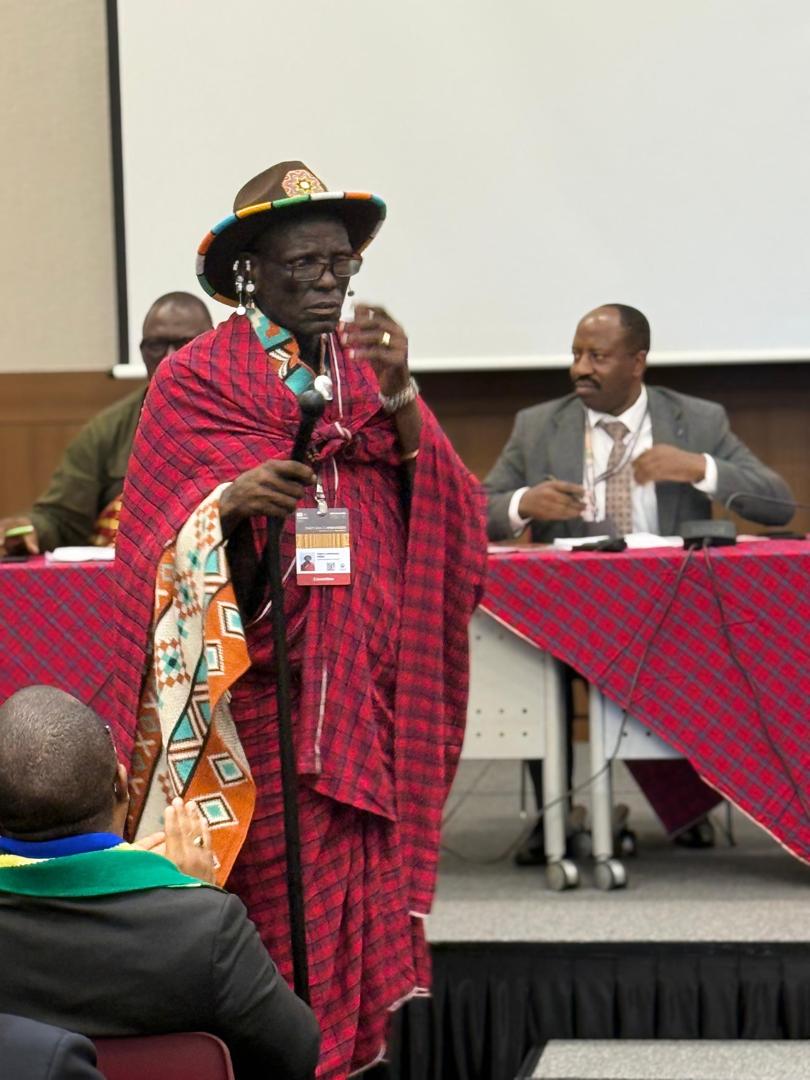
A Maasai traditional leader has called for a sustainable balance between people, livestock and wildlife in the Ngorongoro Conservation Area, warning that growing pressure on the ecosystem threatens its future.
Speaking during a Tanzania side event at the 48th Session of the UNESCO World Heritage Committee in Busan, South Korea, Mr. Isack Lekisongo Meijo said the Maasai have lived alongside wildlife for generations and remain committed to protecting the area’s Outstanding Universal Value.
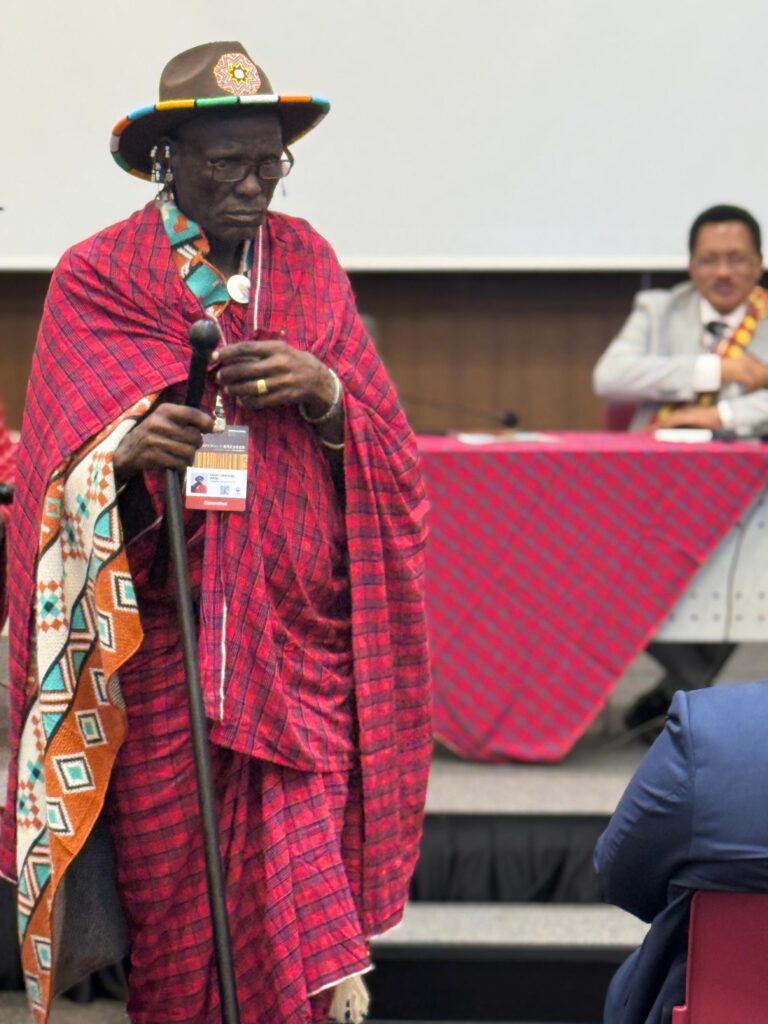
Using the analogy of an overloaded aircraft, Meijo said Ngorongoro’s fixed land can no longer sustainably support increasing human populations, livestock and wildlife. “There is no Ngorongoro without the Maasai pastoralists, and there is no Ngorongoro without the wildlife,” he said.
Responding to questions from delegates, Executive Secretary of the UNESCO National Commission of Tanzania, Prof. Hamisi Malebo, said voluntary relocation of people is a more practical and less risky option than relocating wildlife, citing the ecological and logistical challenges of moving wild animals, including the migration of more than 1.5 million wildebeest.
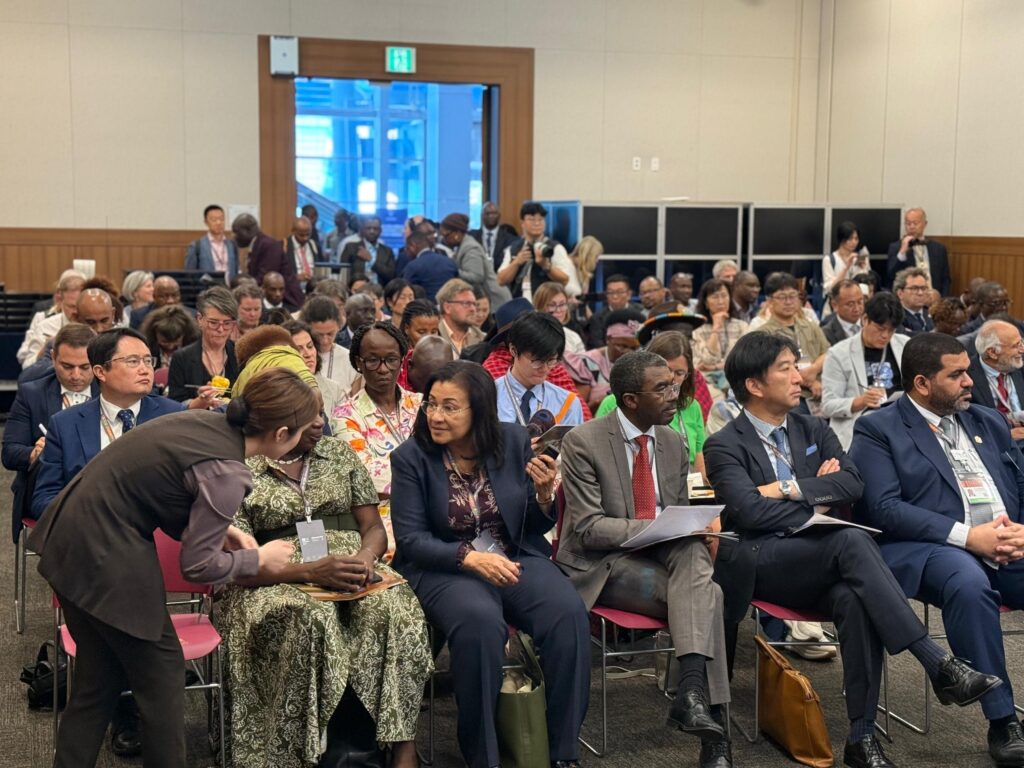
The side event, organized by Tanzania’s Permanent Mission to UNESCO, presented findings from two Presidential Commissions on land issues and voluntary relocation in Ngorongoro. Delegates from 36 countries welcomed the discussions, agreeing that balancing conservation with community livelihoods is essential for the long-term sustainability of the World Heritage Site.