Shopping cart
Your cart empty!

Your cart empty!
Terms of use dolor sit amet consectetur, adipisicing elit. Recusandae provident ullam aperiam quo ad non corrupti sit vel quam repellat ipsa quod sed, repellendus adipisci, ducimus ea modi odio assumenda.
Lorem ipsum dolor sit amet consectetur adipisicing elit. Sequi, cum esse possimus officiis amet ea voluptatibus libero! Dolorum assumenda esse, deserunt ipsum ad iusto! Praesentium error nobis tenetur at, quis nostrum facere excepturi architecto totam.
Lorem ipsum dolor sit amet consectetur adipisicing elit. Inventore, soluta alias eaque modi ipsum sint iusto fugiat vero velit rerum.
Sequi, cum esse possimus officiis amet ea voluptatibus libero! Dolorum assumenda esse, deserunt ipsum ad iusto! Praesentium error nobis tenetur at, quis nostrum facere excepturi architecto totam.
Lorem ipsum dolor sit amet consectetur adipisicing elit. Inventore, soluta alias eaque modi ipsum sint iusto fugiat vero velit rerum.
Dolor sit amet consectetur adipisicing elit. Sequi, cum esse possimus officiis amet ea voluptatibus libero! Dolorum assumenda esse, deserunt ipsum ad iusto! Praesentium error nobis tenetur at, quis nostrum facere excepturi architecto totam.
Lorem ipsum dolor sit amet consectetur adipisicing elit. Inventore, soluta alias eaque modi ipsum sint iusto fugiat vero velit rerum.
Sit amet consectetur adipisicing elit. Sequi, cum esse possimus officiis amet ea voluptatibus libero! Dolorum assumenda esse, deserunt ipsum ad iusto! Praesentium error nobis tenetur at, quis nostrum facere excepturi architecto totam.
Lorem ipsum dolor sit amet consectetur adipisicing elit. Inventore, soluta alias eaque modi ipsum sint iusto fugiat vero velit rerum.
Do you agree to our terms? Sign up
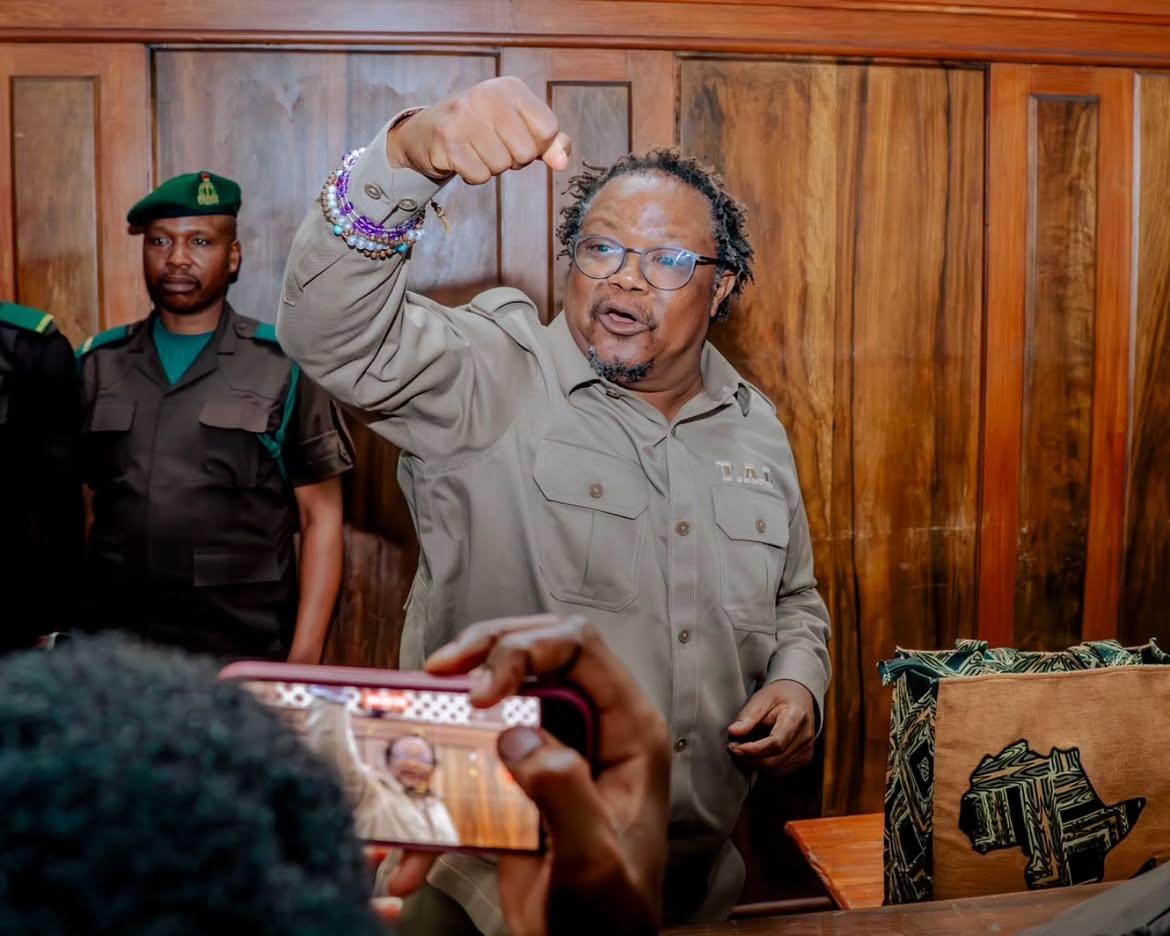
The treason trial involving CHADEMA Chairman Tundu Lissu has entered a new and significant stage after the High Court of Tanzania, Dar es Salaam Registry, ruled that he has a case to answer.
The ruling was delivered by Judge Dunstan Ndunguru, who heads the three judge panel hearing the case.
After reviewing the evidence presented by the prosecution, led by the Office of the Director of Public Prosecutions, the court determined that there was sufficient evidence requiring Lissu to present his defence.
But what does it mean when a court rules that an accused person has a case to answer?
It does not mean that the accused has been found guilty.
Rather, it means that the prosecution has presented sufficient evidence for the accused to be required to respond to the allegations and present a defence.
For Lissu, this marks the beginning of another critical phase in the trial.
The CHADEMA chairman now has an opportunity to challenge the prosecution’s evidence, present his own evidence and call witnesses to support his defence.
Lissu was arrested in Ruvuma Region on April 9, 2025, before being transferred to Dar es Salaam.
On April 10, 2025, he was brought before the Kisutu Resident Magistrate’s Court, where he was formally charged with treason and other offences allegedly connected to his political statements and activities.
The prosecution has alleged that some of Lissu’s statements and actions were intended to disrupt the 2025 general election process and incite rebellion against the government.
These allegations form the foundation of the treason case against him.
The case has attracted considerable attention both within Tanzania and beyond the country’s borders, largely because of the seriousness of the charges and Lissu’s position as a prominent opposition politician.
It has also generated wider debate over political rights, freedom of expression and the application of treason laws in a political environment.
As the defence phase begins, one of the key issues emerging is the question of witnesses.
Following the court’s decision that he has a case to answer, Lissu submitted a list of 11 witnesses whom he wants the court to summon to testify in his defence.
But the prosecution is challenging part of that request.
The Office of the Director of Public Prosecutions has asked the court not to summon the first seven witnesses on Lissu’s list.
Among them are President Samia Suluhu Hassan, former Vice President Philip Mpango and former Prime Minister Kassim Majaliwa.
The list also includes Inspector General of Police Camillus Wambura, Chief of Defence Forces General John Mkunda, the Director General of the Tanzania Intelligence and Security Service, TISS, and the Director of Criminal Investigations, Police Colonel Ramadhani Kindai.
The prosecution argues that these seven witnesses are not necessary because evidence relating to their positions and roles has already been presented by other government witnesses who have testified for the Republic.
The DPP has also argued that the proposed witnesses are senior government officials from the same government that has brought the treason allegations against Lissu.
For that reason, the prosecution has asked the court to reject the request to summon them.
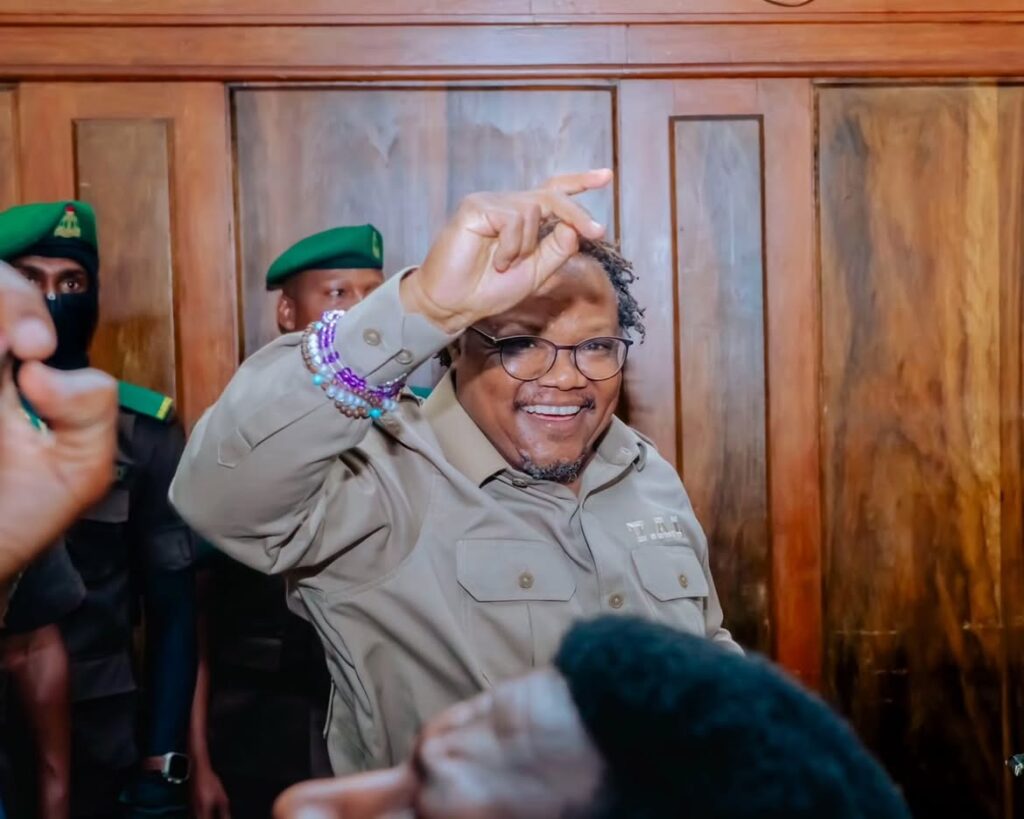
The question now is whether the court will agree with the prosecution or allow some or all of the proposed witnesses to appear before it.
Ultimately, the court will determine whether their testimony is relevant and necessary to the case.
As the trial moves forward, the focus will shift from the prosecution’s evidence to Lissu’s defence.
He will have the opportunity to respond to the allegations, challenge the evidence presented against him and present his own witnesses and evidence.
The court’s decision that Tundu Lissu has a case to answer is therefore not a verdict of guilt.
It is the beginning of the defence stage a stage that could prove crucial in determining the direction of one of Tanzania’s most closely watched treason trials